




johndoe@gmail.com

Biophilia, intra-species relationships, and the digital world
More-than-human design has become a central concept in creative and scientific practice in response to environmental crises. At its core is the question: how can design help our planet thrive by shifting the focus beyond human needs?
We are reflecting on what this question reveals about our relationship with the natural world and the role of art in navigating global ecological challenges. Explore this topic through a selection of free-to-view content on Bloomsbury Visual Arts.
The biophilia effect, as defined in the Bloomsbury Encyclopedia of Design, refers to a reconnection of nature to humanity, developing a non-destructive unity of life, which can contribute to a person's well-being. In Notes on More-Than-Human Architecture, author Stanislav Roudavski calls for the rethinking of design as a gradual, ecological action and argues that design encounters one insufficiently understood challenge: the need to design for the biosphere, for all life within ecosystems.
An appreciation of nature’s complexity as a network of interwoven ecologies, is essential to design with the environment in mind. In Be mindful: Plant intelligence, art and patience, Sue Spaid argues that it is the treating of humans as separate from nature which has led to the "rampant destruction of the environment, engendering ecocide on a level that paradoxically jeopardizes human well-being" and that artists and researchers help us to appreciate once more the importance of the natural world.
In Responding from Designing for Interdependence: A Poetics of Relating, Martín Ávila discusses the role of design in facilitating a "disentanglement from the web of life", one which engages humans in patterns that supports the short-term lifestyle of some people. By reconceiving design practice to reimagine human and other-than-human abilities, Ávila argues that we become attentive to the capacities and needs of other species and respond to our ecological needs in mutually life-affirming ways.
Judith K. Brodsk in Dismantling the Patriarchy, Bit by Bit: Art, Feminism, and Digital Technology highlights digital artists who challenge the knowledge paradigms of an established patriarchal society. This work at the intersection of biology, psychology, physics, climate studies, and the digital world questions the very hierarchy that places human beings above animals via artistic practice.
The discussion extends beyond just other species to encompass a broad understanding of more-than-human forms. Hybrids by Edith Garcia looks at contemporary artists who challenge the relationship between human form and the natural world in their dynamic and representational works. David Stairs in Biophilia and Technophilia: Examining the Nature/Culture Split in Design Theory explores the relationship of civilization to the natural world and the role of technology through the perspectives of philosophers, designers, and researchers.
This chapter from Relating to Things: Design, Technology and the Artificial by Elisa Giaccardi takes this further to looks at how the intersection of artificial 'things' and design can provide new ways of seeing through software, sensors, and actuators. This in turn repositions these artefacts, and the networks in which they were produced, as design partners vital to future design practices.
The resources featured here show how more-than-human design is reshaping creative and scientific thinking in response to ecological challenges. Together, they invite us to consider design as a collaborative practice, one that engages with the complexity of life and opens up new possibilities for sustainable futures.
For full access to the Bloomsbury Visual Arts hub, visit our Librarians page for information on trials and purchasing.
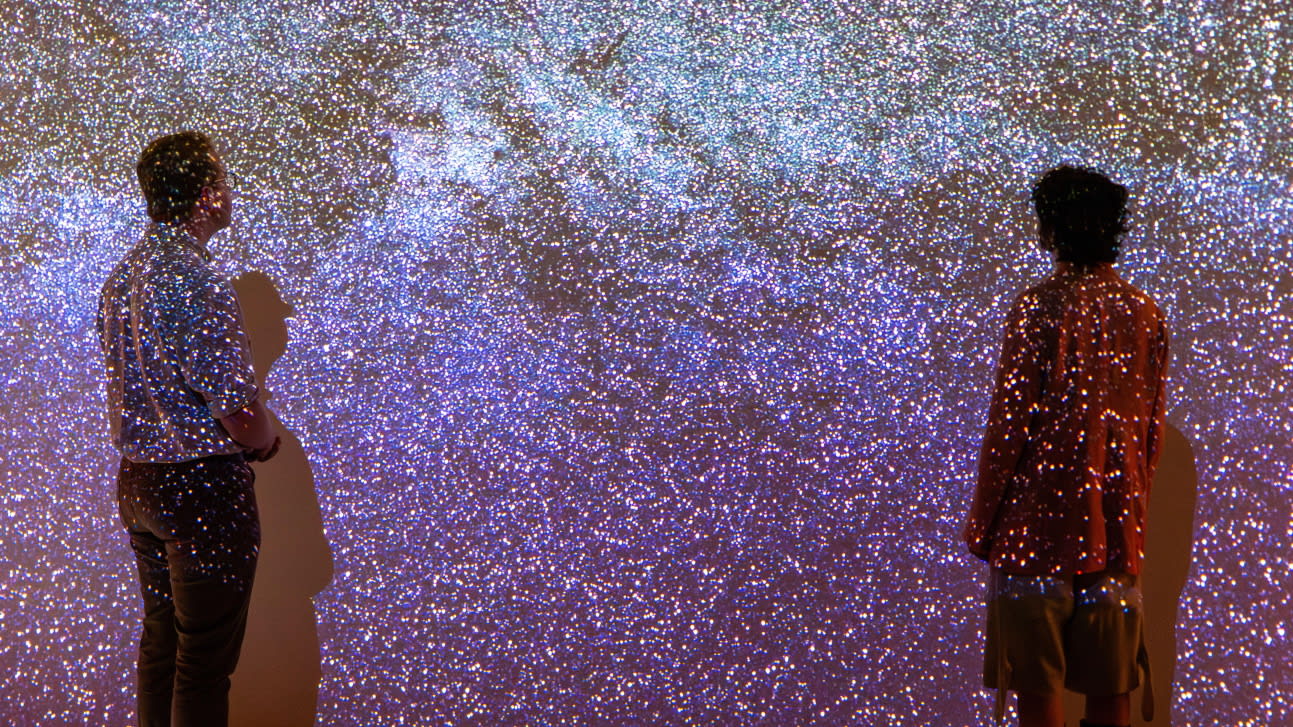
Main image: London, UK, on 07 July 2025. More than Human, the world's first major museum exhibition on more-than-human design, at the Design Museum. Credit: Oleksii Ovcharenko/Alamy
